
Idaho winters can expose small gaps around your garage door that were easy to overlook during warmer months. Worn weatherstripping can allow cold air, moisture, dirt, and pests into the garage, making the space less comfortable and leaving stored belongings exposed to outdoor conditions.
Checking your weatherstripping before winter is a simple way to prepare. If damaged seals are accompanied by problems with how the door closes, professional garage door repair may be necessary.
What Is Garage Door Weatherstripping?
Weatherstripping creates a flexible seal between your garage door and the surrounding opening. Most garage doors have seals along the sides and top, plus a bottom seal that contacts the floor when the door closes.
These components help close the small spaces that naturally exist around a moving garage door. Over time, temperature changes, sunlight, repeated movement, and normal aging can cause weatherstripping to become brittle, cracked, flattened, or loose.
Keep Cold Drafts Outside
One of the easiest signs of failing weatherstripping to notice is a cold draft. Stand inside your garage with the door closed and check around its perimeter. If you feel cold air entering or can see daylight around the edges, the seals may no longer be making proper contact.
This is particularly important if your garage is attached to your home. Weatherstripping will not turn an unheated garage into a conditioned space, but closing unnecessary gaps can reduce exposure to cold outdoor air.
Help Keep Pests Out
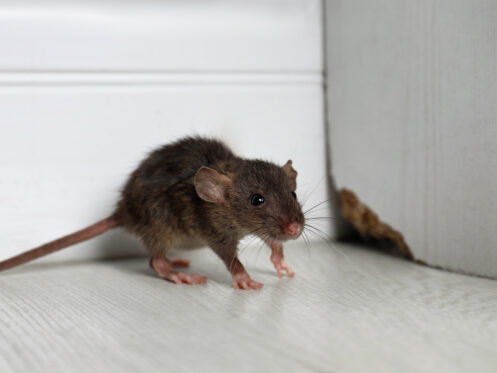
Cold weather encourages mice, insects, and other pests to search for sheltered areas. Gaps underneath or around a garage door can provide convenient entry points.
The bottom seal is particularly important because it should make consistent contact with the floor across the width of the door.
Signs your weatherstripping needs attention include:
- Visible daylight around the closed door
- Cold drafts near the sides or bottom
- Cracked or brittle seals
- Weatherstripping hanging loose
- Evidence of insects or rodents
- Water entering beneath the door
- Dirt or leaves collecting around gaps
Replacing deteriorated seals before winter can close many of the openings pests might otherwise use.
Reduce Moisture Around the Garage Door
Rain, melting snow, and wind-driven moisture can enter through gaps around a garage door. A properly fitted bottom seal helps limit water from getting beneath the door.
Keeping moisture outside is especially useful if you store tools, equipment, boxes, or other belongings in your garage.
Weatherstripping cannot correct every water problem. If water naturally flows toward the garage because of drainage or grading issues, a new seal may not solve the underlying problem. It primarily provides a barrier against normal weather exposure.
Check the Bottom Seal Before Winter
The bottom seal experiences considerable wear because it contacts the floor every time the door closes.
Look for cracks, tears, missing sections, and areas that have become permanently flattened. With the door closed, the seal should maintain relatively consistent contact with the garage floor.
Keep in mind that a visible gap does not always mean the seal is responsible. An uneven floor or improperly aligned garage door can create similar problems. If the door appears crooked or does not close completely, replacing the seal alone may not fix the issue.
Inspect the Side and Top Seals
Inspect the weatherstripping along both sides and across the top of the garage door. Look for sections that have pulled away from the frame, cracked, or become stiff.
You can also perform a daylight test. Close the garage door during the day, turn off the garage lights, and look around the perimeter for light coming through.
Pay particular attention to corners where sections of weatherstripping meet. Small openings can still allow cold air, debris, moisture, and pests inside.
Make Sure the Garage Door Closes Properly
New weatherstripping works best when the garage door itself is operating correctly. A door that sits unevenly, has damaged components, or does not close completely may leave gaps regardless of how new its seals are.
Shaking, unusual noises, uneven movement, or incomplete closing can indicate a mechanical problem. Having these issues addressed before winter can help ensure that new or existing weatherstripping makes proper contact.
If you notice these problems, Legacy Garage Doors provides garage door repair services to address issues that interfere with reliable operation.
Add Weatherstripping to Your Fall Garage Checklist
Weatherstripping is easy to overlook because it does not involve complicated moving parts. A quick fall inspection can identify problems before Idaho’s colder temperatures arrive.
Before winter, take a few minutes to:
- Check around the closed door for daylight.
- Feel along the perimeter for drafts.
- Inspect the bottom seal for cracks or flattening.
- Check side and top seals for damage.
- Look for evidence of moisture or pests.
- Make sure the door closes evenly.
- Schedule repairs if the door does not close correctly.
These simple steps can help your garage stay better protected throughout the winter.
Schedule Garage Door Service Before Idaho Winter
Replacing worn weatherstripping can help block drafts, moisture, debris, and unwanted pests. Just as importantly, checking the seals may reveal alignment or closing problems that need professional attention.
If your garage door has damaged weatherstripping or is not closing properly, contact Legacy Garage Doors to schedule service before Idaho’s winter weather arrives.
